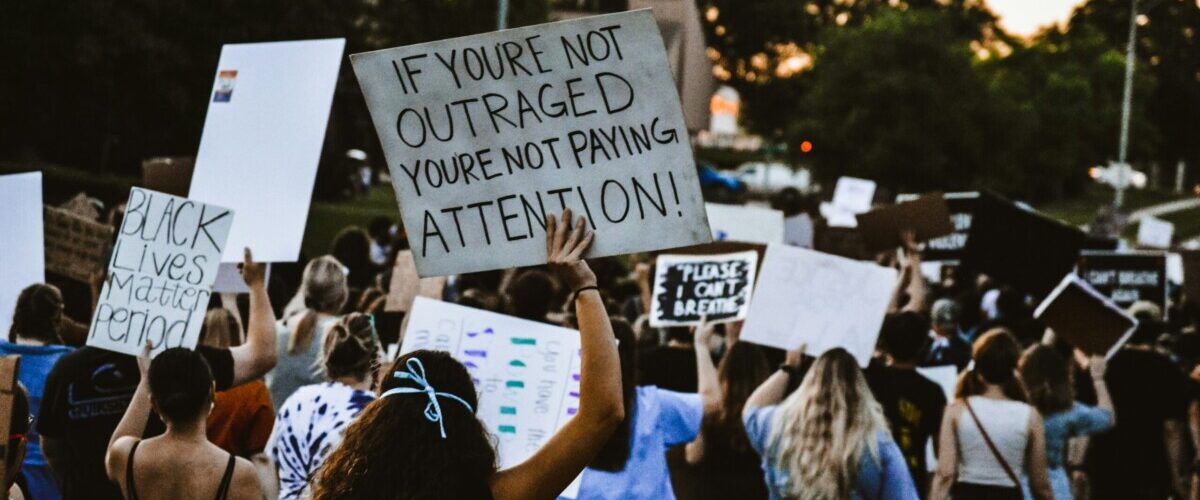
Students across the country are using their voices to speak out on important issues, but how far do their rights to protest and free speech really go outside and inside the classroom?
By: Isabella Guijarro and Scarlett Davila
Across the United States, debates about immigration enforcement have moved from news headlines into neighborhoods, schools, and classrooms. Immigration and Customs Enforcement (ICE) raids have affected thousands of families, leaving many people frightened, separated, or uncertain about their future.
For students watching this unfold, especially those with immigrant relatives, friends, or neighbors, the situation feels deeply personal. At the same time, many young people are speaking up, reminding the country that behind every policy are real human beings.
ICE raids are carried out to enforce existing immigration laws, which the government says are meant to maintain border security and follow legal processes. Supporters of enforcement argue that these laws exist to keep order and ensure fairness for those who follow legal immigration pathways. However, critics point out that the way these laws are enforced can significantly affect families, including children who are U.S. citizens or long-term residents.
Many affected by ICE raids experience sudden and emotional disruptions. Parents may be detained during routine activities such as going to work or returning home. When this happens, children can be left without a caregiver or clear information about what will happen next. These situations can cause stress, fear, and difficulty focusing in school. Even students whose families are not directly affected may feel concerned for friends, classmates, or neighbors.
As immigration becomes a more visible topic, many students want to express their opinions. Students in the United States have the constitutional right to free speech, which includes the right to peacefully protest. This means students can share their views, participate in demonstrations, and raise awareness about issues as long as these actions are nonviolent and follow school and local rules. Schools may set guidelines about when protests can occur, but students do not lose their basic rights to express their opinions.
Throughout history, students have participated in discussions and movements about important national issues. Advocating for change, asking questions, or showing support for affected communities can be part of being an engaged citizen. At the same time, it is important for students to be respectful, informed, and aware of different viewpoints.
Students should also understand their rights if they are questioned by police, whether during a protest or in another situation. They have the right to remain silent and do not have to answer questions beyond providing basic identification if required. Students can ask if they are being detained or if they are free to leave. They also have the right to request a parent, guardian, or lawyer before answering further questions.
At the center of the immigration debate are people and families. While the government focuses on enforcing laws, communities see the personal effects of those actions. Families contribute to local economies, schools, and neighborhoods. When they are separated, the impact can be felt far beyond one household.
Understanding immigration issues requires looking at both the need for laws and the human effects of enforcing them. For students, learning about these topics, knowing their rights, and engaging respectfully in conversation can help create a more informed and thoughtful community. Regardless of one’s stance on the issue, remembering the human side of policies fosters empathy and understanding, values that are essential in both school and society.
Students all learned the same motto from the day they first entered the school gates: “Treat others the way you want to be treated”. It’s important to remember that the differences that keep our country divided are also the strengths that helped build our nation in the first place. America is a home to all, no matter where they come from. At the end of the day, we are all humans experiencing life for the first time.
“Give me your tired, your poor, Your huddled masses yearning to breathe free, The wretched refuse of your teeming shore. Send these, the homeless, tempest-tost to me, I lift my lamp beside the golden door!” – The New Colossus

Isabella Guijarro
Isabella Guijarro is a three year member of the Redwood Gigantea and the managing editor. She is involved in the Academy of Law and Justice and apart of Mock trial. She wants to be a civil rights attorney after high school and plans on working for the paper for all four years of high school.

Scarlett Davila
Tags: opinion piece, rangers, Redwood, redwood gigantea, redwood high school, redwood journalism, redwood rangers, rhs, visalia ca