A look into the life of Vittoria Camagni, a foreign exchange student from Milan, Italy, adjusting to a new country.
By: Sophia Rodriguez
Trading the streets of Milan, Italy, Vittoria Camagni ’26 spends the next school year as a foreign exchange student in Visalia, California, at Redwood High School.
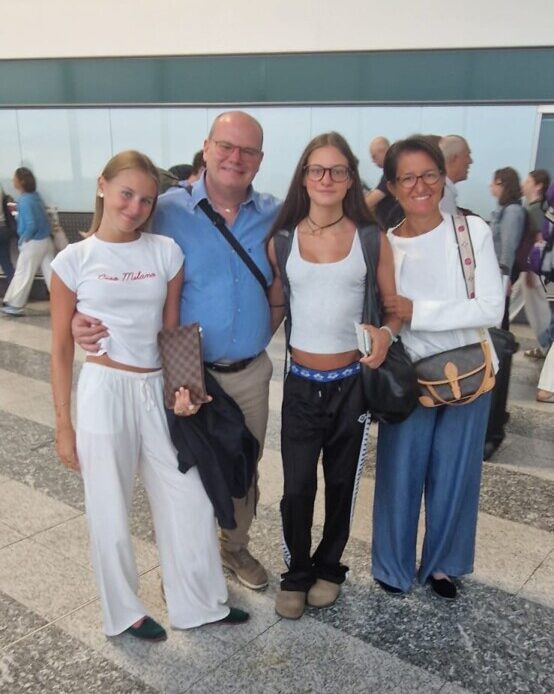
family
Photo Courtesy Camagni
“They told me that Visalia was a little town, but for me it’s so big,” says Camagni about her first thoughts of Visalia. “Everything is so far from the other thing. It’s not a small town, it’s a big town for me. So obviously, because I can’t drive, for example, I will always go with my bike. It’s not very small. It’s like a big city for European standards. Relatively, [Milan] is not so big in area as [Visalia] because we don’t have a lot of space in Italy. It’s a small country, but it’s the center of the Italian economy, so it’s a basic yet important city. We have a lot of things like malls and historical monuments.”
Camagni says she became a foreign exchange student because she “obviously wants to learn English. I think it’s the most important language everyone speaks, and it’s important now, in the best way possible. I have already done another exchange program in Argentina. I think that the [best] way to learn a language is live language, speak with an English speaker, and that’s it. So, I decided to move here and practice languages, but also to learn another culture that is so difficult. It’s so different from the Italian one.”
Though Camagni says she hasn’t felt homesick yet, she does say she misses a simple dish named pappa pomodoro. It is a Tuscan soup made from stale bread, ripe tomatoes, garlic, basil, and olive oil.
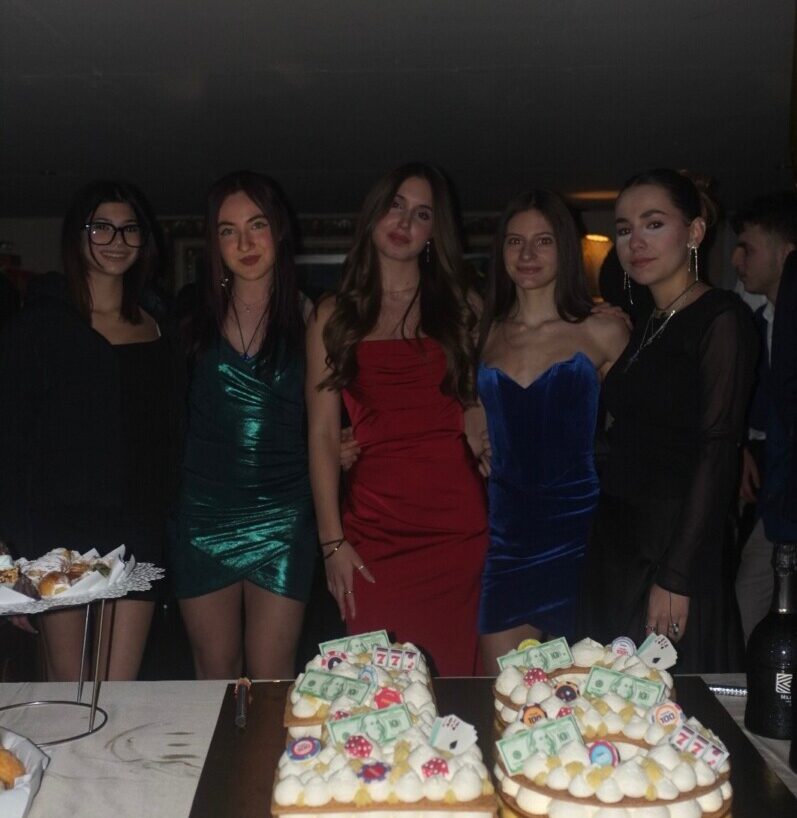
friends at a birthday
Photo Courtesy Camagni
Camagni says the biggest cultural shock she has experienced in Visalia is when they eat dinner. In Italy, she says they typically eat dinner around 9 pm “because we don’t have the time to eat at 6:30 because everyone works until 7:30 or 8, and also, we teenagers, we finish school around 1 or 2 p.m., then we go back home, have our lunch, and then we go to do another activity. For example, I do gymnastics in a club because we don’t have school sports. So we all have to go to a club, and this takes time.”
The biggest difference Camagni says is the school structure. In her hometown, Milan, the teachers move from class to class while the students stay in one classroom. They also have five-hour school days, yet they don’t have a lunch break and attend school on Saturdays.
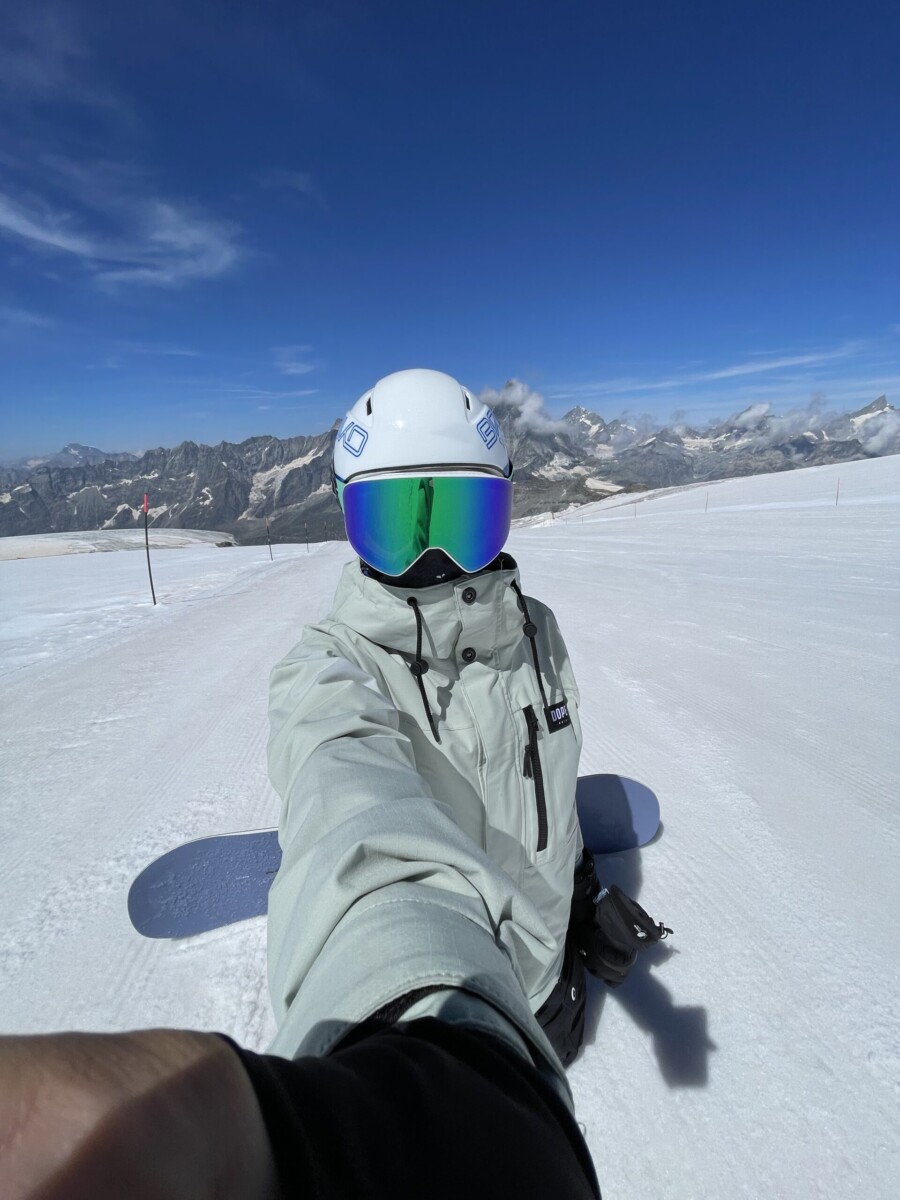
Photo Courtesy Camagni
A typical day in the life of Camagni living in Italy would be waking up, having breakfast, and heading straight to school. “I will stay there, depending on the day, four to six hours, and then I come back home, have my lunch, and get ready to go to the gym. I usually stay until 8:30 because I used to be a professional gymnast. A lot of time for training, depending on the day, around four to five hours a day. Then I come back home, eat my dinner, and do homework. I will study for the next day, revise the lesson, and go back.”
“I think it’s better, like to do something softer,” says Camagni about why she doesn’t practice gymnastics in Visalia. She says she would like to experience things here that she can’t back in Italy.
“I think that the most important thing is not to be scared to speak,” says Camagni on advising another exchange student. “Obviously, we are exchange students. English is not our Native language, so obviously we are going to make a lot of mistakes that People say that we are not American, so it’s normalized, completely normal, just speak, try to express what you want to say, and if you can’t do this, there will always be a translator.”

Sophia Rodriguez
Sophia Rodriguez, is a third-year journalism student and co-sports editor. She writes stories across a variety of topics. She enjoys sharing meaningful stories and working with others to bring fresh perspectives.
Tags: foreign, foreign exchange, foreign exchange students, Italy, rangers, Redwood, redwood gigantea, redwood high school, redwood journalism, redwood rangers, rhs, visalia ca