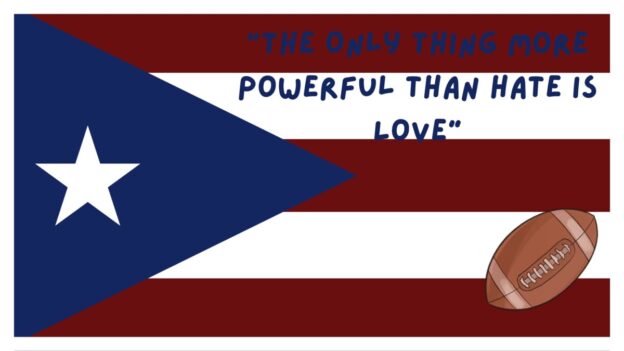
On Superbowl Sunday, February 8th, 2026, Bad Bunny took the stage during the halftime show, where he represented the culture of Puerto Rico and the power of being united through love over hate
By: Isabella Guijarro
On Superbowl Sunday, Bad Bunny took the stage for about thirteen minutes and broke the record for the most-watched Superbowl halftime show in history with over 135 million views and 4 billion social views, beating performances like Kendrick Lamar and Usher from previous years.
Despite support and excitement from many viewers, when the announcement came that Bad Bunny would be performing at halftime, he faced serious backlash and criticism from a large number of people. Some even went as far as to make their own “All-American halftime show” to boycott Bad Bunny’s show.
Aiden Sanchez, ‘28, says, “I liked the show, I really appreciated how he opened with a song everyone knows, and it was a big surprise to see a lot of famous people included in the show too.”
Bad Bunny’s song ‘DtMF’ even hit number one on the Billboard Hot 100 after the Super Bowl Halftime. He has even managed to secure his spot as the top artist on Spotify for the past five years, achieving over 112.6 billion total streams and 69.5 billion views.
Emma Ellis, ‘28, says, “I thought it was good, I liked the different cultures that were shown, even if there were some aspects of it that were a little strange. But overall, I thought it was a good show.”
Bad Bunny faced backlash mostly for his Puerto Rican background and his criticism of certain events taking place in the United States. Many people called him un-American and criticised the performance for being in Spanish and having “suggestive” choreography, despite previous performances being in Spanish and having so-called suggestive choreography.
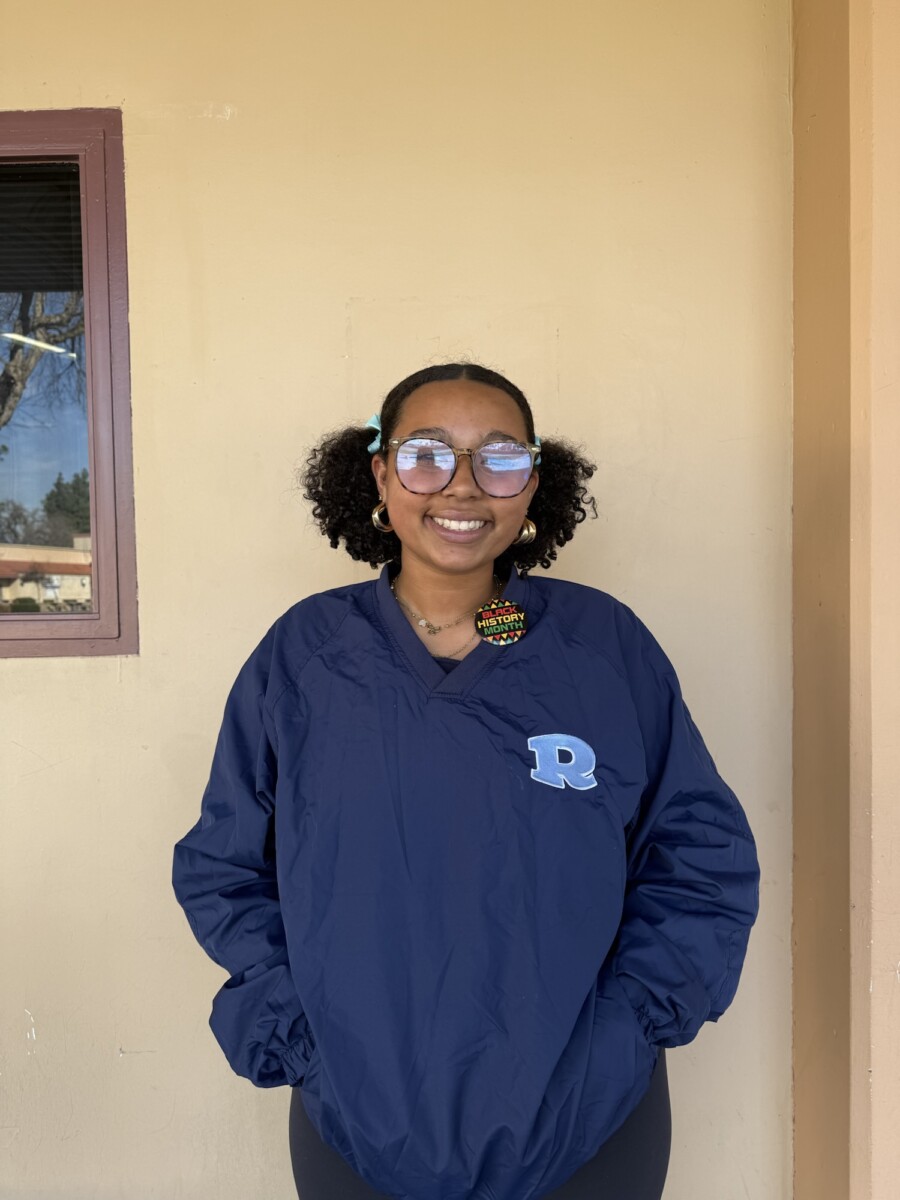
photo A.Lua/Gigantea
His performance was a powerful example of culture, identity, and unity among everyone. One of the biggest themes is Latino pride and representation in a time where representation matters the most, showing love and unity across cultures.
Alyssa Vasquez, ‘26, says, “I thought that it was a very good representation of Hispanic culture when he showed all the flags, and I thought it was new and different that there was someone who spoke Spanish to sing at the show.”
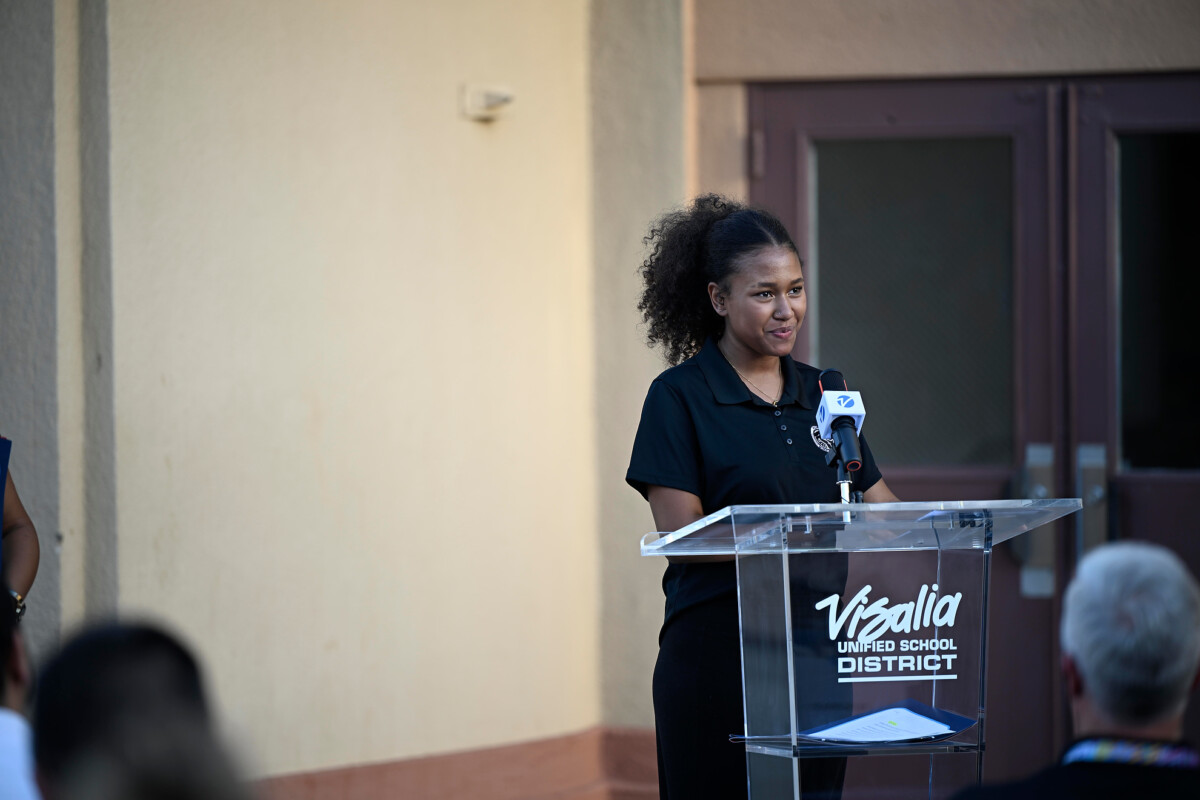
Photo Nick Miller/Redwood Gigantea
One point during the show, the message “The only thing more powerful than hate is love” appeared while flags across South and North America were featured. This moment shows how diversity does not divide people; it brings people closer together.
Jaymee Shupe, ‘26, says, “I didn’t watch the show because I don’t watch sports, but I saw clips of the show online, and it looked really cool. It made me wish I had watched it.”
The overall message was that culture, language, and identity should be celebrated, not hidden. Bad Bunny used his performance to show pride in his roots while encouraging unity, making the halftime show not only entertaining but meaningful.

Isabella Guijarro
Isabella Guijarro is a three year member of the Redwood Gigantea and the managing editor. She is involved in the Academy of Law and Justice and apart of Mock trial. She wants to be a civil rights attorney after high school and plans on working for the paper for all four years of high school.
Tags: arts & entertainment, badbunny, rangers, Redwood, redwood gigantea, redwood high school, redwood journalism, redwood rangers, rhs, superbowl